
Why a Stretched First Half Calls for Resolve, Not Fatigue – and how
Batswana Households Can Make the Most of a Tough Economic
Situation.
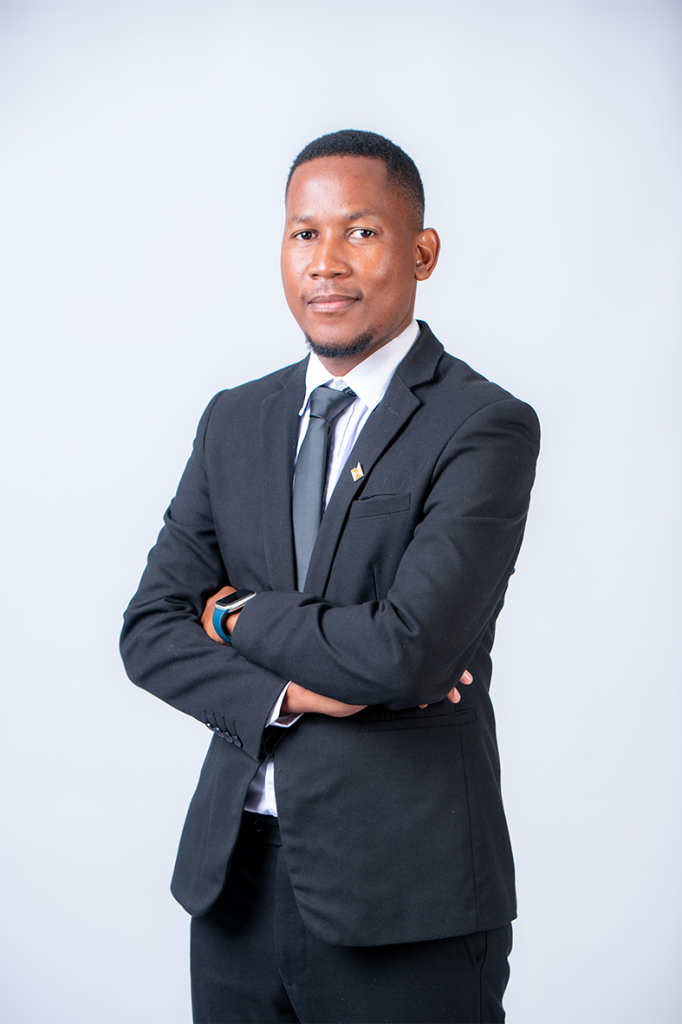
By Macmillan Teku – Head of Products and Segment
We are halfway through the year, and if it feels like the Pula has had to work harder than usual,
that is because it has. Inflation climbed to around 10.7% in the first half of 2026, while April’s
increase in public transport fares added another pressure point to already strained household
budgets. Add a diamond sector still finding its footing, and it is fair to say many Batswana
households have spent the past six months doing more with less.
And yet, “stretched” is not the same as “broken.” In fact, some of the most resilient financial
habits are built in exactly these conditions, not despite the pressure, but because of it.
Turning Toward Careful Caution
What we are seeing from our customers is not panic, but discipline. Spending has not stopped;
it has simply become more intentional. Households are prioritizing essentials and paying closer
attention to where every Pula goes. There is a growing awareness that financial stability has to
be built, not assumed. More customers are actively looking for ways to prepare for the
unexpected, rather than reacting once it arrives. That shift from reacting to planning is quietly
one of the most important financial developments of this year. Sustained pressure on household
incomes does make consistent saving harder, no question. But it is precisely in periods like this
that the discipline to save, even a little, starts to matter more than the size of the amount itself.
Building the Habit
There is a temptation to think that saving only makes sense once things are comfortable. In
reality, the opposite is often true. A tighter economy is exactly when a financial buffer proves its
worth, because unexpected expenses do not wait for easier times to arrive.
Saving does not need to start big. Small and consistent contributions build into habit rather than
treated as an event, are what create real financial resilience over time. During a stretched
period this one, the goal is not necessarily to build wealth quickly; it is to build a safety net that
can absorb life’s surprises without derailing everything else. The habit itself, practiced
consistently, is often more valuable in the long run than them amount behind it.
Unlocking The Wealth You Already Have Access To
One practical shift worth making right now is to get to know the tools that are already available
to you. Understanding what your bank offers, and how to use it, can be as valuable as having
more money in the first place, because it determines whether that money works for you or
simply sits idle.
Ask your bank direct questions: What savings are available to me? How can I earn better
returns? Which products move me towards my goals?
Financial institutions have the responsibility that goes beyond providing products, to also
helping customers understand and use then effectively. At Access Bank Botswana, that is a
responsibility we take seriously, from financial literacy sessions that build practical skills, to
Prepaid cards that empower customers manage spending within pre-loaded limit they control.
What You See You Can Control
Visibility is where control begins. Most people know how much they earn; far fewer track exactly
where it goes. That gap is often the difference between a budget that holds and one that quietly
leaks. Through SaruMoney, our digital banking [platform, customers can view balances, access
statements, and monitor transactions in real time, alongside a full suite of current, savings, and
fixed deposit accounts. The specific tool matters less than the consistency of using it. Find a
system, digital or otherwise, and stick to it.
Rewarding the Habit
The real reward for saving is not just the number in the account – it is the peace of mind and
security that come with knowing you are prepared. Making the right choice is something worth
celebrating, and Access Bank is recognizing and rewarding customers who are rising to meet
this particularly challenging economic climate: showing up, saving consistently and building
resilience one contribution at a time.
Resolve, Not Fatigue
If the first half of 2026 asked a lot of Batswana households, the second half is an opportunity is
to respond with intention rather than with exhaustion. It would be easy to let the fatigue of hard
six months set the tone for the next six. The stronger response is to use to sharpen your resolve
instead.
The advice is simple, start where you are and choose consistency over perfection. Review your
spending, set realistic goals and begin, or continue, building an emergency fund, however
modest the first contribution might be. Meaningful financial progress rarely comes from one big
decision. It comes from small, disciplined ones, repeated until they become second nature.
That is the habit worth building today – not because the second half of the year will be easier,
but because uncertainty is inevitable, and future challenges will not wait for you to be ready.
Your future self will only be as prepared as your past self-chose to make it.